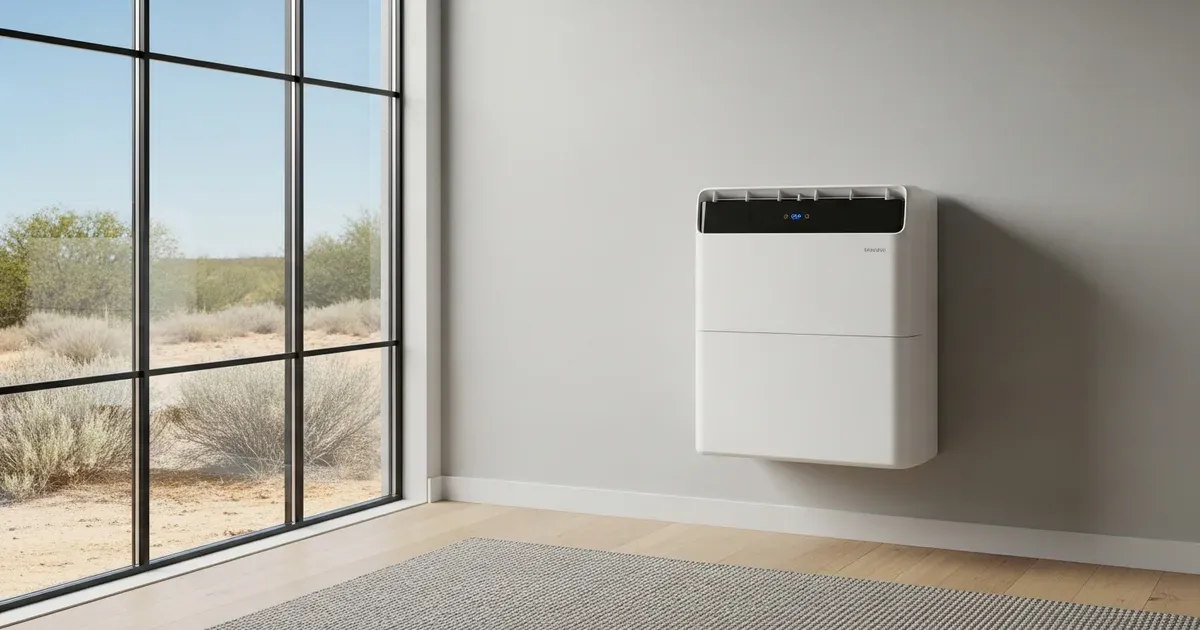
Choosing the right cooling system for your Denton home is a big decision, especially with our scorching 100+ degree summers. You want a system that keeps your family comfortable without breaking the bank on energy bills. Two popular options homeowners often consider are central air conditioning and ductless mini-split systems. While both aim to cool your home, they do it in very different ways, and each has its own set of pros and cons that are especially important to consider in our unique Denton climate.
This guide will break down central AC and mini-splits, looking at how they work, their costs, energy efficiency, and ideal uses for various homes across Denton County. We’ll help you understand which system might be the perfect fit for your specific needs, whether you live in a historic home near the square, a new build in Robson Ranch, or a sprawling property in the county.
Understanding Your Denton Home’s Cooling Needs
Before diving into the specifics of each system, let’s consider what makes cooling in Denton so challenging. Our summers are not just hot; they’re intensely hot and often humid. This means your HVAC system needs to be robust, efficient, and reliable. Beyond the heat, factors like your home’s age, insulation, layout, and even the direction it faces can impact how well a cooling system performs.
Older homes, common in areas like downtown Denton or Oak-Hickory, might lack existing ductwork or have inefficient insulation, making some systems less practical. Newer homes in developments like those near Rayzor Ranch or in Robson Ranch are often built with modern insulation and existing ductwork, which favors central AC. Your lifestyle also matters: do you need to cool every room evenly, or do you spend most of your time in specific areas? Understanding these unique aspects of your Denton home is the first step toward making the best choice.
Central Air Conditioning: The Denton Standard
Central air conditioning is the cooling system most Denton homeowners are familiar with. It’s designed to cool your entire home through a network of ducts, providing consistent temperatures throughout.
How Central AC Works
A central AC system typically has two main units: an outdoor condenser/compressor unit and an indoor evaporator coil, usually located in your furnace or air handler. Refrigerant cycles between these units, absorbing heat from your indoor air and releasing it outside. A powerful fan then distributes the cooled air through your home’s ductwork and out through vents in each room.
Pros of Central AC
Central AC offers several advantages that make it a popular choice. It provides even cooling throughout your entire home, ensuring consistent comfort in every room. The system is largely discreet, with only vents visible inside, keeping the aesthetic of your home clean. It can also add to your home’s resale value, as most buyers expect central air.
Another major benefit is its integration with your existing heating system. If you already have a furnace, adding central AC often means using the same blower and ductwork, simplifying installation. With a good air filter, it also helps improve indoor air quality by removing dust and allergens.
Cons of Central AC
Despite its popularity, central AC has some drawbacks. One major issue can be ductwork inefficiency. Leaky or poorly insulated ducts, common in older Denton homes, can lose a significant amount of cooled air before it reaches your living spaces, wasting energy and money. This is especially true if ducts run through unconditioned attics during our intense summers.
Central AC also offers less zone control. While some systems allow for basic zoning, it’s generally an “all or nothing” approach, meaning you cool unused rooms along with occupied ones. This can lead to higher energy bills, especially if you only need to cool a few specific areas. The initial installation cost for a brand-new system (including ductwork) can also be quite high compared to other options.
Central AC Costs in Denton
The cost of installing or replacing a central AC system in Denton can vary widely based on factors like the unit’s size (tonnage), SEER (Seasonal Energy Efficiency Ratio) rating, brand, and the complexity of your home’s existing ductwork.
- Replacing an existing central AC unit (using existing ducts): You can expect to pay anywhere from $5,000 to $12,000. This typically includes the outdoor unit, indoor coil, and labor. Higher SEER units (16 SEER and above) will be on the higher end but offer greater energy savings over time.
- Installing a brand-new central AC system (including new ductwork): For homes without existing ductwork, such as older homes or new additions, costs can range from $10,000 to $25,000 or more. This is a much larger project, requiring extensive labor for duct installation.
Keep in mind that these are general ranges. Getting multiple quotes from licensed Denton HVAC contractors is always recommended to get a precise estimate for your specific home.
Maintenance for Central AC
Regular maintenance is crucial for central AC, especially with the heavy workload it faces in Denton. This includes changing air filters every 1-3 months, especially during peak allergy season or if you have pets. Annual professional tune-ups, typically costing $100-$200, help ensure your system runs efficiently, prevent breakdowns, and prolong its lifespan. Neglecting maintenance can lead to costly repairs down the line.
Local Considerations for Central AC in Denton
When installing or upgrading central AC in Denton, you’ll need to consider local regulations. The City of Denton requires permits for major HVAC installations to ensure they meet safety and efficiency codes. Working with a licensed contractor ensures these permits are handled correctly. Also, remember that Oncor is our primary electricity provider, and choosing a high-efficiency unit (16 SEER or higher) can significantly reduce your monthly energy consumption, helping you save on those high summer bills.
Mini-Split Systems (Ductless AC): A Flexible Solution
Mini-split systems, also known as ductless AC, offer a different approach to home cooling. They are becoming increasingly popular in Denton for their flexibility and efficiency, especially in specific situations.
How Mini-Splits Work
Like central AC, mini-splits have an outdoor compressor/condenser unit. However, instead of connecting to a central air handler and ductwork, they connect to one or more indoor air-handling units via a small conduit that passes through the wall. Each indoor unit directly cools a specific zone or room. This allows for individual temperature control in different areas of your home.
Pros of Mini-Splits
The biggest advantage of mini-splits is zoned cooling. Each indoor unit can be controlled independently, allowing you to cool only the rooms you’re using. This can lead to significant energy savings, especially if you only occupy certain parts of your home for extended periods. Imagine only cooling your bedroom at night or your home office during the day, rather than the entire house.
Mini-splits are also incredibly energy efficient, often boasting high SEER ratings because they don’t lose air through leaky ductwork. Installation is typically less invasive and faster than central AC, as there’s no need for extensive ductwork. This makes them ideal for older Denton homes without existing ducts, new additions, converted garages, or workshops. Many models also offer heating capabilities, acting as efficient heat pumps.
Cons of Mini-Splits
While highly efficient, mini-splits do have some downsides. The most common concern is their visibility. The indoor units are mounted on a wall or ceiling, which some homeowners find less aesthetically pleasing than discreet central AC vents. If you need to cool many rooms, you might end up with multiple indoor units, each with its own look.
The initial cost per ton of cooling capacity can be higher for mini-splits compared to central AC, especially if you’re installing a multi-zone system with several indoor units. While installation is simpler, it still requires professional expertise to ensure proper refrigerant line connections and drainage. Maintaining multiple indoor units also means more filters to clean regularly.
Mini-Split Costs in Denton
The cost of a mini-split system in Denton depends on whether you opt for a single-zone or multi-zone setup, the BTU capacity of the units, and the brand.
- Single-zone mini-split installation (1 outdoor unit, 1 indoor unit): This setup typically costs between $3,000 and $6,000. It’s perfect for cooling a single room, a garage apartment, or a home office.
- Multi-zone mini-split installation (1 outdoor unit, 2-4 indoor units): For cooling multiple rooms, costs can range from $6,000 to $15,000 or more. Each additional indoor unit adds to the complexity and cost.
These prices include the units, refrigerant lines, electrical work, and professional installation. As with central AC, getting detailed quotes from licensed local contractors is essential.
Maintenance for Mini-Splits
Mini-splits require similar maintenance to central AC, but with a focus on individual indoor units. The filters in each indoor unit should be cleaned monthly, especially during peak cooling season, as they are easily accessible. The outdoor unit also needs to be kept clear of debris. Annual professional servicing, costing around $100-$200 per outdoor unit, is recommended to check refrigerant levels, clean coils, and ensure all components are functioning correctly.
Local Considerations for Mini-Splits in Denton
Mini-splits are an excellent choice for many Denton homes. For the historic homes in downtown Denton or older properties in areas like the Southeast Denton neighborhood that often lack existing ductwork, mini-splits provide a non-invasive and efficient way to add modern comfort. They are also perfect for converting a garage into a living space, adding a sunroom, or providing dedicated cooling for a home office without upgrading your entire central system. Their high efficiency can also help lower those Oncor bills during our long, hot summers.
Direct Comparison: Central AC vs. Mini-Split in Denton
To help you visualize the differences, here’s a direct comparison of central AC and mini-split systems for your Denton home:
| Feature | Central Air Conditioning | Mini-Split System (Ductless AC) |
|---|---|---|
| Cooling Method | Cools entire home via ductwork | Cools specific zones/rooms directly |
| Initial Cost | $5,000 - $12,000 (replacement); $10,000 - $25,000+ (new w/ ducts) | $3,000 - $6,000 (single zone); $6,000 - $15,000+ (multi-zone) |
| Energy Use | Can be less efficient if cooling unused rooms or leaky ducts | Highly efficient due to zoned cooling and no duct losses |
| Installation | Invasive if ducts needed; simpler if ducts exist | Less invasive; conduit through wall; faster installation |
| Aesthetics | Discreet (vents only) | Visible indoor units on walls/ceilings |
| Zone Control | Limited; generally cools entire house | Excellent; individual temperature control for each zone |
| Ideal Use | New builds, homes with existing good ductwork, whole-house cooling | Older homes, additions, specific room cooling, energy efficiency focus |
| Maintenance | Central filter, outdoor unit, professional tune-ups | Multiple indoor unit filters, outdoor unit, professional tune-ups |
Need Help Deciding on Your Denton Home's HVAC?
Denton Home Services connects you with licensed, insured contractors — free estimates, no trip fees, no pressure.
Find a Top-Rated HVAC Pro in Denton →