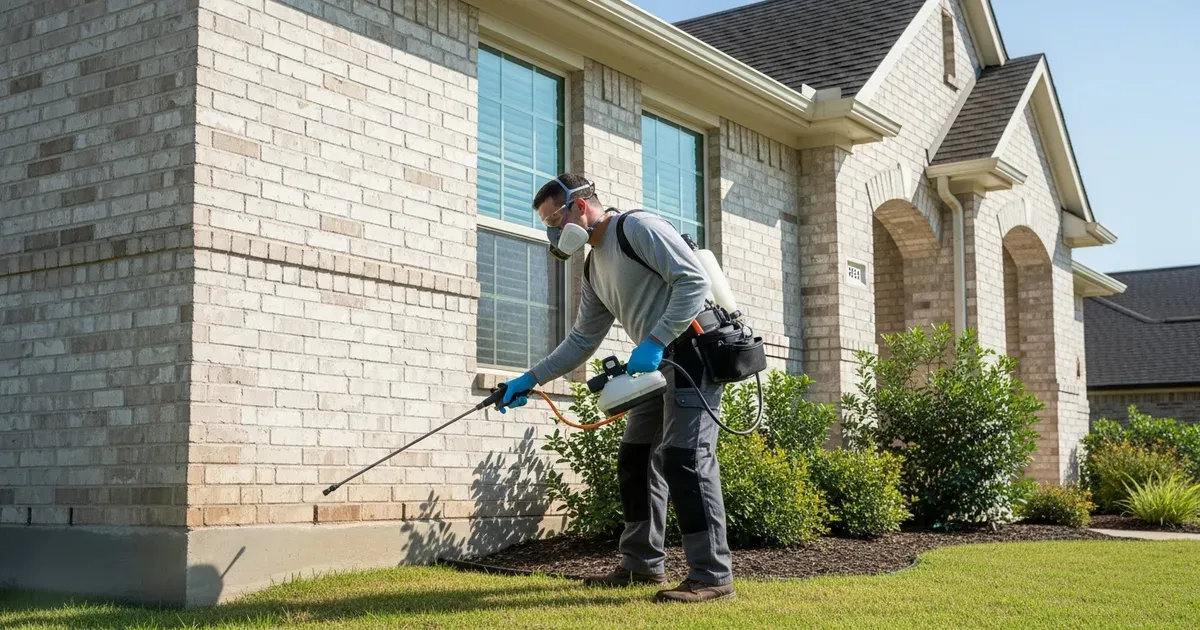
Denton homeowners know that our beautiful city comes with its own unique set of challenges – and pests are definitely one of them. From scorching 100+ degree summers to our expansive clay soil, Denton’s environment creates a perfect storm for various critters to seek refuge in our homes. When you spot an unwelcome guest, the first question often is: should I tackle this myself, or call in a professional? It’s a common dilemma, and understanding the pros and cons of DIY pest control versus hiring an expert can save you time, money, and a lot of headaches in the long run.
Common Pests Making Themselves at Home in Denton County
Before diving into solutions, it’s helpful to know who you’re up against. Denton County is home to a wide array of pests, each with their own habits and challenges. Our climate plays a big role; the intense summer heat often drives insects and rodents indoors in search of cooler temperatures and water, while wet springs and falls encourage breeding.
Some of the most frequent invaders we see in Denton homes include:
- Ants: Especially nuisance ants like odorous house ants and fire ants, which can quickly colonize kitchens and yards.
- Spiders: Including common house spiders, but also more concerning ones like brown recluse and black widows, especially in undisturbed areas like attics, garages, and sheds.
- Cockroaches: German cockroaches are a particular problem indoors, thriving in warm, humid environments like kitchens and bathrooms.
- Rodents: Mice and rats are always looking for food, water, and shelter, and can squeeze through surprisingly small openings.
- Termites: Subterranean termites are a constant threat in North Texas, silently eating away at wood structures. Our clay soil can make their mud tubes hard to spot.
- Mosquitoes: A major outdoor nuisance, especially after rain, and a health concern due to West Nile virus.
- Scorpions: While less common than other pests, striped bark scorpions can be found in our area, especially in rocky or wooded parts of Denton, and their sting is painful.
Understanding the specific pest you’re dealing with is the first step in effective control. An ant problem requires a different approach than a rodent or termite issue.
The DIY Approach: Taking Matters Into Your Own Hands
For many Denton homeowners, the idea of saving money and taking immediate action makes DIY pest control appealing. There are definitely situations where it can be effective, but it also comes with significant drawbacks.
Pros of DIY Pest Control
- Initial Cost Savings: Buying a can of bug spray or a few traps is much cheaper than a professional service call. For minor issues, this can feel like a quick win.
- Immediate Action: When you see a spider or a few ants, you can grab a product and address it right away without waiting for an appointment.
- Sense of Control: Some homeowners prefer to be hands-on and manage their home maintenance themselves.
Cons of DIY Pest Control
- Limited Effectiveness: Over-the-counter products often only kill pests on contact or repel them temporarily. They rarely address the source of the infestation, meaning the problem often returns. You might kill a few ants, but not the queen in the colony.
- Misidentification of Pests: Using the wrong product for the wrong pest is a common mistake. For example, a roach spray won’t help with termites, and misidentifying a brown recluse as a harmless spider could lead to a painful bite.
- Safety Risks: Many pest control chemicals are toxic. Misusing them, applying too much, or not following directions can be dangerous for children, pets, and even adults. Proper ventilation and personal protective equipment are often overlooked by DIYers.
- Time Commitment: Researching pests, buying products, applying them, and then often reapplying them takes significant time and effort. If the problem persists, you’ll spend even more time on it.
- Recurring Problems: Without professional expertise, it’s hard to break the pest cycle. You might get rid of visible pests, but eggs or hidden colonies can quickly lead to a resurgence.
- Lack of Warranties: If your DIY efforts fail, you’re out the money you spent on products and back to square one.
DIY Pest Control Costs in Denton
When considering DIY, you’ll need to factor in the cost of various products. These are approximate ranges you might find at local hardware stores or supermarkets in Denton:
- Insect sprays (aerosol cans): $5 - $15 per can
- Ant baits/traps: $8 - $20 per pack
- Roach baits/traps: $10 - $25 per pack
- Rodent traps (snap, glue, bait stations): $5 - $30 depending on type and quantity
- Granular perimeter treatments: $20 - $40 for a bag covering 5,000-10,000 sq ft
- Insecticide concentrates (for mixing with water): $25 - $70 for a bottle, depending on strength and brand
- Diatomaceous earth/boric acid dust: $15 - $30 per container
- Caulk/sealants (for sealing entry points): $5 - $15 per tube
For a persistent problem, you might easily spend $50-$150 or more on various DIY products over a few months, only to find the pests return.
Hiring a Professional: The Expert Solution
When faced with a serious infestation, persistent pests, or those that pose a health or structural risk, calling in a professional pest control company is usually the wisest choice. They bring expertise, specialized tools, and effective strategies to the table.
Pros of Hiring a Professional
- Expert Identification and Treatment: Professionals are trained to identify specific pests, understand their biology, and know the most effective treatment methods. They can pinpoint entry points and nesting sites you might miss.
- Effective and Long-Term Solutions: Pros use professional-grade products and techniques that are often more potent and longer-lasting than consumer-grade options. They focus on eradication and prevention, not just temporary fixes.
- Safety: Licensed technicians are trained in the safe handling and application of pesticides, minimizing risk to your family and pets. They know local regulations and best practices.
- Convenience and Time-Saving: You don’t have to spend your time researching, buying, and applying chemicals. Professionals handle everything efficiently.
- Warranties and Guarantees: Many professional services offer guarantees for their work. If pests return between scheduled treatments, they’ll often re-treat at no extra cost.
- Integrated Pest Management (IPM): Reputable companies use IPM strategies, which focus on understanding the pest’s life cycle and environment to achieve long-term control with minimal chemical use. This often includes sealing entry points, moisture control (which can tie into services like plumbing repairs), and habitat modification.
Cons of Hiring a Professional
- Higher Upfront Cost: This is the main drawback for most homeowners. A professional service will cost more initially than a can of bug spray. However, when you factor in repeated DIY attempts and potential damage from unchecked infestations, it often proves more cost-effective in the long run.
Ready to Ditch the Pests?
Denton Home Services connects you with licensed, insured contractors — free estimates, no trip fees, no pressure.
Find a Pest Control Pro →Understanding Professional Pest Control Costs in Denton
Professional pest control costs in Denton can vary widely based on the type of pest, severity of the infestation, size of your home, and frequency of service.
- General Pest Control (one-time service): For common issues like ants, spiders, or roaches, a single visit typically costs between $150 and $350. This usually includes an inspection and treatment of interior and exterior perimeters.
- Quarterly or Bi-Monthly Plans: Many homeowners opt for ongoing preventative services. These plans average $75 - $150 per visit after an initial setup fee (which might be the same as a one-time service, or slightly higher). This is excellent for keeping common Denton pests like scorpions and spiders at bay year-round.
- Rodent Control: This often involves trapping, baiting, and sealing entry points. A one-time service might range from $250 to $600, depending on the severity and number of follow-up visits required.
- Termite Treatment: This is a specialized and significant investment due to the potential for structural damage. Liquid treatments (barrier around the foundation) can range from $800 to $2,500+ for an average-sized home in Denton, often with annual inspection contracts around $200-$300. Baiting systems can be similar or slightly higher. Given our prevalent subterranean termites and expansive clay soil that can hide their activity, professional termite inspection and treatment are highly recommended.
- Bed Bug Treatment: These are notoriously difficult to eradicate and almost always require professional help. Treatments can range from $500 to $2,000+ per room, depending on the method (heat, chemical, or combination) and severity.
- Mosquito Control (seasonal): Many companies offer seasonal barrier treatments from spring to fall. This might cost $75 - $150 per treatment, typically every 3-4 weeks.
Factors that influence cost include:
- Size of your home: Larger homes or properties with more extensive landscaping require more time and product.
- Severity of infestation: A light infestation is cheaper to treat than a full-blown one.
- Type of pest: Termites and bed bugs require more intensive and costly treatments than ants.
- Treatment methods: Some methods are more expensive than others (e.g., heat treatment for bed bugs).
Here’s a quick comparison of DIY vs. Pro for common Denton pest scenarios:
| Pest Scenario | DIY Approach (Typical Cost) | Professional Approach (Typical Cost) | Pros of Each | Cons of Each |
|---|---|---|---|---|
| Occasional Ants/Spiders | Sprays, baits, traps ($10-$50 per month) | One-time general pest service ($150-$350) or quarterly plan ($75-$150/visit) | DIY: Low initial cost, immediate action. Pro: More effective, long-lasting. | DIY: Often temporary, recurring problem. Pro: Higher initial cost. |
| Minor Rodent Problem | Traps, bait stations ($20-$100) | One-time rodent service ($250-$600) | DIY: Immediate setup. Pro: Expert identification of entry points, safer baiting. | DIY: Safety concerns with bait, often misses all entry points. Pro: Higher cost. |
| Active Termite Infestation | Termite sprays, baits (rarely effective) ($50-$200+) | Full termite treatment ($800-$2,500+) with warranty | DIY: Extremely low chance of success. Pro: Guaranteed eradication, structural protection. | DIY: Wasted money, potential for severe home damage. Pro: Significant investment. |
| Persistent Roaches | Multiple sprays, baits, foggers ($30-$100 per month) | Targeted roach treatment ($200-$400) or ongoing plan | DIY: Temporary relief. Pro: Addresses source, breaks breeding cycle. | DIY: Problem quickly returns, health risk persists. Pro: Higher cost. |
When DIY Might Work (and When It Definitely Won’t)
DIY pest control is best suited for very minor, isolated issues. If you see a single spider, a few ants marching in, or a lone mouse, you might be able to handle it with a targeted product. However, even these small issues can be indicators of a larger problem.
DIY is generally NOT recommended for:
- Infestations: If you’re seeing pests regularly, in large numbers, or finding evidence in multiple areas, it’s an infestation.
- Termites: Never attempt DIY termite treatment. It’s incredibly complex, requires specialized products and knowledge, and failure can lead to tens of thousands in structural damage. This is a job for a pro, especially in Denton with our active termite populations.
- Bed Bugs: These tiny hitchhikers are notoriously difficult to get rid of. They hide well and reproduce quickly.
- Venomous Spiders (Brown Recluse, Black Widow): For safety reasons, it’s best to have a professional handle these.
- Wildlife: Raccoons, opossums, squirrels, or bats in your attic or walls require humane removal and exclusion by a wildlife expert, often distinct from general pest control.
- Recurring Problems: