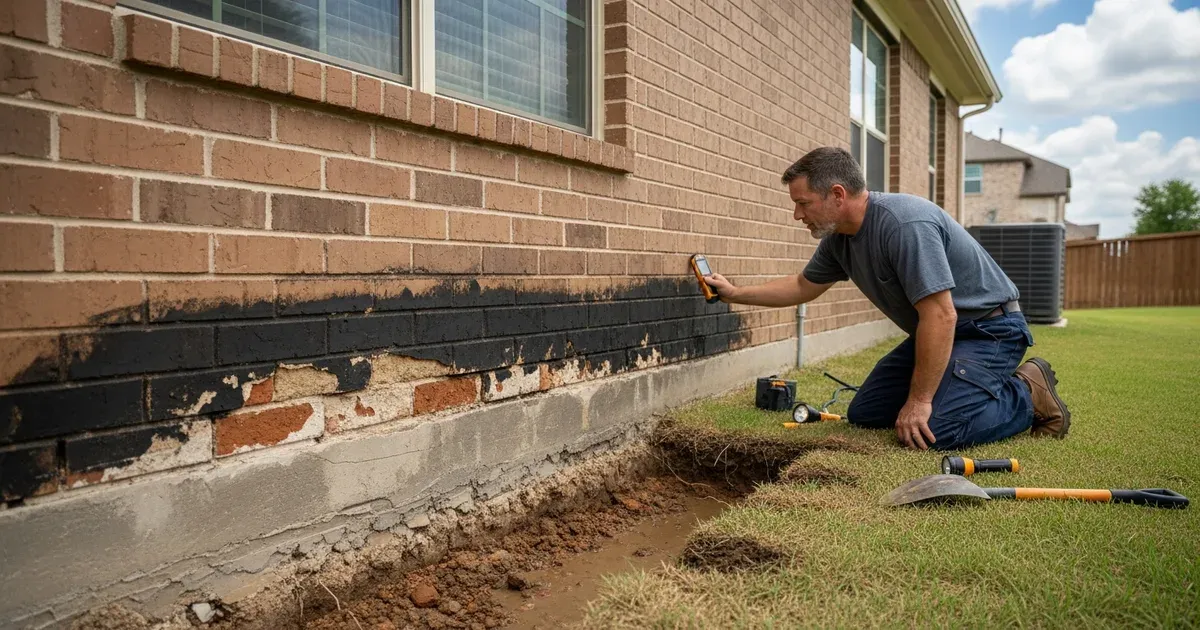
Imagine a hidden enemy lurking beneath your home, silently causing damage and racking up your water bill. That’s often the reality of a slab leak for homeowners here in Denton. Because our homes are built on concrete slabs, the plumbing pipes that run underneath them are out of sight and out of mind until a problem arises. When a pipe under your foundation starts leaking, it can lead to significant issues, from structural damage to sky-high utility bills.
What is a Slab Leak, Anyway?
Simply put, a slab leak happens when a water pipe buried within or beneath your home’s concrete foundation develops a crack, hole, or weak spot and starts to leak. These pipes carry fresh water into your home or drain wastewater away. While both can leak, pressurized incoming water lines typically cause the most noticeable and damaging slab leaks due to the constant flow and pressure.
These leaks can be tricky because they’re hidden from view. The water can seep into the soil, travel along the foundation, or even wick up into your home’s walls and flooring. Catching a slab leak early is key to preventing more expensive repairs down the road, which is why knowing the signs is so important for Denton homeowners.
Why Denton Homes Are Prone to Slab Leaks
Living in Denton, we experience some unique challenges that can make our homes more susceptible to slab leaks. It’s not just about old pipes; our environment plays a big role. Understanding these factors can help you be more vigilant.
One major culprit is our expansive clay soil. Throughout Denton and surrounding areas like Sanger, Argyle, and Corinth, the clay soil expands dramatically when wet and shrinks when dry. This constant shifting puts immense pressure on your home’s foundation, which in turn stresses the pipes embedded within it. Over time, this stress can cause pipes to crack or joints to fail.
Our extreme weather patterns also contribute. Those scorching Denton summers with weeks of 100+ degree temperatures can dry out the soil, leading to foundation settlement. Then, sudden heavy rains or even a burst pipe can saturate the soil, causing rapid expansion. These dramatic shifts are tough on foundations and the plumbing beneath.
Many homes in Denton, especially in older neighborhoods like Southridge, University Park, or even some parts of North Lakes, were built decades ago. The age of these homes means their plumbing systems are older, often made from materials like copper or galvanized steel that are more prone to corrosion and wear over time. Even newer developments, like those around Rayzor Ranch or Robson Ranch, can experience issues if the foundation settles unevenly on newly disturbed soil.
5 Signs You Have a Slab Leak
Spotting a slab leak isn’t always obvious, but paying attention to subtle changes around your home can save you a lot of trouble. Here are five common indicators that you might have a slab leak.
1. An Unexplained High Water Bill
This is often the first and most alarming sign for many Denton homeowners. If your water bill suddenly jumps significantly without any change in your water usage habits, a slab leak is a strong possibility. The City of Denton Water Utilities will still charge you for every gallon that leaks out, even if it never reaches your faucet.
Even a small leak can waste thousands of gallons of water each month, translating to hundreds of extra dollars on your bill. Check your meter: if you turn off all water-using appliances and fixtures and the water meter is still spinning, you likely have a leak somewhere, possibly under the slab.
2. The Sound of Running Water When No Fixtures Are On
Have you ever been sitting quietly in your Denton home and heard the faint sound of water running, dripping, or even rushing, even though all your faucets are off and no appliances like your dishwasher or washing machine are running? This gurgling or trickling sound could be coming from a pipe under your slab.
The sound might be more noticeable in certain parts of your home, like near a wall or in a quiet room. It’s the sound of water escaping the pipe and moving through the soil or concrete. If you hear this consistently, it’s definitely time to investigate.
3. Warm Spots on Your Floors
If you have a hot water line leaking under your slab, the heat from the escaping water can transfer through the concrete and warm up your flooring above. Imagine stepping barefoot onto a section of tile, laminate, or carpet in your kitchen or hallway, and it feels noticeably warmer than the surrounding floor.
This localized warmth is a strong indicator of a hot water slab leak. The water heats the concrete, and that heat radiates upwards. This is a very specific sign that points directly to a leak under the foundation and should prompt immediate action.
4. Cracks in Your Foundation or Walls
While not always a direct result of a slab leak, significant foundation cracks can be both a cause and a symptom. A long-term slab leak can saturate the soil beneath your foundation, causing it to expand unevenly. This uneven pressure can lead to new cracks or worsen existing ones in your concrete slab, interior walls, or even exterior brickwork.
Conversely, existing foundation cracks caused by Denton’s expansive clay soil can put stress on pipes, leading to new leaks. If you notice new hairline cracks, stair-step cracks in brick, or doors and windows that no longer close properly, and these are combined with other leak signs, a slab leak could be a contributing factor or the main problem. Addressing foundation issues is critical, and a plumbing inspection should be part of that process. You might even need to consider a foundation repair service if the damage is severe.
5. Mildew Smell or Visible Moisture
Water always finds a way. If a slab leak is left undetected, the escaping water can eventually make its way up through the slab, into your flooring, or even into your walls. This can manifest as unexplained damp spots on carpets, warped hardwood floors, discolored tiles, or even peeling paint on your baseboards or lower walls.
Beyond visible moisture, you might also notice a persistent musty or mildewy odor. This smell indicates mold or mildew growth, which thrives in damp, dark environments like those created by a hidden leak. Especially in our humid Denton climate, mold can spread quickly once moisture is introduced, posing potential health risks and causing further damage to your home.
How Slab Leaks Are Detected
Finding a hidden slab leak isn’t a DIY job; it requires specialized equipment and expertise. Professional plumbers use a variety of non-invasive techniques to pinpoint the exact location of the leak. This often involves:
- Acoustic listening devices: These sensitive microphones can hear the sound of water escaping from a pipe under the slab.
- Thermal imaging cameras: These cameras can detect temperature differences, helping to locate hot water leaks.
- Pressure tests: By isolating sections of your plumbing and monitoring pressure, plumbers can identify which line is losing water.
- Camera inspections: In some cases, a small camera can be inserted into a pipe to visually inspect for damage.
The goal is to find the leak precisely, minimizing the amount of concrete or flooring that needs to be disturbed for the repair.
Cost to Fix a Slab Leak in Denton
The cost to repair a slab leak in Denton can vary widely, primarily depending on the location of the leak, the severity of the damage, and the chosen repair method. It’s important to remember that these are estimates, and a professional plumber will need to assess your specific situation.
Slab Leak Detection Fee: Many Denton plumbing companies charge a separate fee for leak detection, typically ranging from $250 to $600. However, many reputable companies will waive this fee if you proceed with the repair service through them.
Factors Influencing Repair Costs:
- Accessibility: Is the leak directly under a wall, an appliance, or in an open area?
- Pipe Material: Copper, PEX, or galvanized steel pipes may have different repair complexities.
- Type of Leak: Hot water leaks can sometimes be more challenging due to heat expansion.
- Depth of the Slab: Thicker slabs mean more work.
- Additional Damage: Costs for repairing flooring, drywall, or landscaping will add to the total.
Here’s a general breakdown of repair costs for different methods in the Denton area:
| Repair Method | Description | Estimated Cost Range (Denton, TX) | Pros | Cons |
|---|---|---|---|---|
| Spot Repair (Jackhammering) | Breaking through the concrete slab directly above the leak to patch the pipe. | $1,500 - $4,000 | Direct fix, often quickest. | Invasive to indoor flooring/slab, potential for dust/mess. |
| Pipe Re-routing (Re-pipe) | Bypassing the leaking section by installing new pipes through walls/attic. | $2,500 - $6,000 | No slab disturbance, replaces old section with new pipe. | More extensive interior work, new pipe run might be visible. |
| Tunneling (Under Slab) | Digging a tunnel under the foundation from the exterior to access the leak. | $5,000 - $15,000+ | Preserves indoor flooring/slab, less disruption inside the home. | Invasive to landscaping/yard, more labor-intensive, longer repair time. |
| Epoxy Pipe Lining | Injecting epoxy resin into the pipe to seal pinhole leaks from the inside. | $3,000 - $8,000 | Non-invasive, good for multiple small leaks, preserves existing pipes. | Not suitable for large cracks or burst pipes, only for fresh water lines. |
Remember, these ranges are for the plumbing repair itself. You might also incur costs for:
- Flooring Repair: $500 - $2,000+ (depending on material like tile, hardwood, or carpet).
- Drywall/Cabinet Repair: $300 - $1,500+ if water wicked up walls.
- Landscaping Repair: $500 - $3,000+ if tunneling was used.
Suspect a Slab Leak? Get a Professional Diagnosis!
Denton Home Services connects you with licensed, insured contractors — free estimates, no trip fees, no pressure.
Find a Slab Leak Specialist in Denton →Slab Leak Repair Methods
Once a slab leak is confirmed and located, your plumber will discuss the best repair options for your home. Each method has its own advantages and disadvantages.
-
Spot Repair (Jackhammering): This is the most direct approach if the leak is in an easily accessible spot. The plumber will precisely cut and remove a section of your concrete slab, exposing the leaking pipe. The damaged section is then repaired or replaced, and the concrete is patched. This method is generally quicker and less expensive if the leak is isolated, but it can be messy and requires interior floor repair.
-
Pipe Re-routing (Re-pipe): If the leak is difficult to access, or if the pipe system is old and prone to multiple leaks, re-routing might be the best option. This involves abandoning the leaking pipe section under the slab and installing new pipes through your walls, attic, or ceiling. This method avoids disturbing your foundation and can be a long-term solution, especially if you have an older plumbing system that might develop more leaks. It might, however, involve more drywall repair.
-
Tunneling (Under Slab): For leaks located under critical areas of your home or if you want to avoid disturbing your interior flooring, tunneling is often chosen. Plumbers dig a narrow tunnel from the exterior of your home, under the foundation, to reach the leak. This allows them to repair or replace the pipe without entering your home’s living space. While it saves your interior, it’s more labor-intensive, takes longer, and will require significant landscaping repair afterward.
-
Epoxy Pipe Lining: This is a less invasive option for certain types of slab leaks, particularly pinhole leaks in fresh water lines. Instead of replacing the pipe, a special epoxy resin is injected into the pipe, creating a new, seamless lining inside the existing pipe. This seals the leaks from within. It’s an excellent choice for homes with multiple small leaks or difficult-to-access pipes, but it’s not suitable for burst pipes or structural damage to the