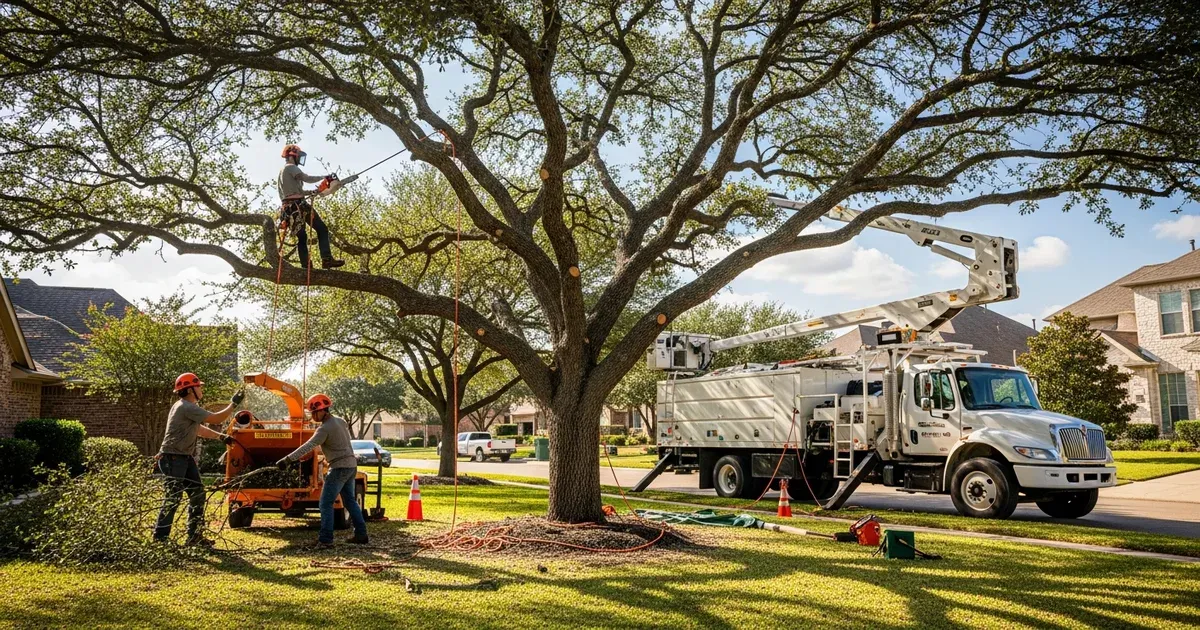
When you live in Denton, TX, the beauty of mature trees is part of what makes our neighborhoods so charming. From the historic districts near UNT to the sprawling properties in Robson Ranch, trees add value, shade, and character. However, sometimes a tree needs to be removed for safety, health, or aesthetic reasons. Whether it’s a storm-damaged oak, a diseased pecan, or a tree simply too close to your home’s foundation, understanding the cost of tree removal in Denton County is key to making an informed decision.
Tree removal isn’t a simple task, and the price can vary significantly. It involves specialized equipment, skilled labor, and an understanding of local conditions and regulations. As your neighbors here at Denton Home Services, we want to help you understand what goes into that final quote, so you can plan effectively and choose the right professionals for the job.
Understanding Average Tree Removal Costs in Denton
In Denton, TX, the cost to remove a tree typically ranges from $300 for a small tree to over $2,000 for a very large, complex removal. Most homeowners will find themselves paying somewhere between $700 and $1,500 for an average-sized tree. These ranges are general, of course, and several factors will influence where your specific project falls within this spectrum.
A “small” tree is generally considered to be under 25 feet tall, like a young crape myrtle or a small ornamental tree. A “medium” tree is usually between 25 and 75 feet tall, which covers many mature pecan trees or smaller oaks common in Denton. “Large” trees are those over 75 feet tall, such as a towering live oak or an established cedar elm that has grown for decades. The diameter of the tree trunk at chest height also plays a significant role in determining its size and the effort required for removal.
Key Factors That Influence Tree Removal Costs
The final price tag for tree removal is a blend of several important factors. Each element adds to the complexity and resources needed for a safe and efficient job.
Tree Size and Species
This is usually the biggest factor in determining cost. Taller trees with larger trunk diameters require more time, more specialized equipment (like cranes or bucket trucks), and a larger crew. A small, easily accessible tree might take a few hours, while a massive, old growth oak could take a full day or more.
The species of tree also matters. Hardwoods like oaks, pecans, and bois d’arcs are denser and stronger than softwoods like cottonwoods or willows. This means they are harder to cut, heavier to move, and can take longer to process, which increases labor costs. Denton is known for its beautiful mature oaks and pecans, which often fall into the higher cost bracket due to their size and density.
Tree Condition and Health
A healthy, upright tree is generally easier and safer to remove than one that is diseased, dead, or severely damaged. Dead or rotting wood can be unpredictable, making the job more hazardous for the crew. Trees damaged by Denton’s frequent hail storms or severe winds can have compromised structures, requiring extra precautions and specialized rigging to prevent uncontrolled falls.
Similarly, trees infested with pests, like carpenter ants or termites, can also be weaker and pose additional challenges. If a tree is leaning dangerously towards your home or a neighbor’s property, it will be considered a high-risk removal, which naturally increases the cost due to the heightened safety measures and expertise required.
Location and Accessibility
Where the tree is located on your property makes a huge difference. A tree in an open yard with easy access for trucks and equipment will be less expensive to remove than one in a tight backyard, nestled between a fence and your home.
- Proximity to Structures: Trees overhanging your house, garage, shed, or even your neighbor’s property, require careful dismantling, often piece by piece, to avoid damage. This precision work takes more time and skill. If a tree falls on your roof, it can cause significant damage, leading to expensive repairs. Learn more about local roofing contractors if you ever face such an emergency.
- Proximity to Power Lines: This is a critical safety concern in Denton. If a tree is close to Oncor power lines, the tree service might need to coordinate with the utility company, or even have Oncor temporarily shut off power, which can add to the complexity and timeline. Never attempt to remove a tree near power lines yourself.
- Equipment Access: Can a bucket truck or crane easily reach the tree? In older Denton neighborhoods with mature trees and smaller lots, or properties with extensive landscaping, access can be restricted. This means more manual labor, specialized climbing techniques, and potentially higher costs.
Complexity and Hazard Level
Some trees are simply more challenging to remove. This includes trees that are:
- Severely leaning or structurally compromised: These require careful planning and execution to prevent them from falling in an uncontrolled manner.
- Located on a steep slope: This makes it harder to maneuver equipment and safely bring down sections of the tree.
- Entangled with other trees or structures: This requires precision to avoid damaging surrounding elements.
- Involved in an emergency situation: If a tree has already fallen or is an immediate threat due to a storm (common after Denton’s severe thunderstorms), emergency removal services often come at a premium due to immediate dispatch and after-hours work.
Stump Grinding and Debris Removal
The initial quote for tree removal often only includes cutting down the tree and cutting up the larger pieces. What happens to the stump and the wood debris?
- Stump Grinding: Most tree removal services offer stump grinding as an additional service. This involves using a specialized machine to grind the stump down below ground level, allowing you to plant grass or cover the area. In Denton, stump grinding typically adds $75 to $300 to the total cost, depending on the stump’s size and accessibility.
- Debris Removal: Hauling away all the branches, logs, and wood chips is also usually an extra cost. If you’re willing to keep the wood for firewood or dispose of it yourself (check Denton’s bulk trash guidelines), you might save a bit. However, most homeowners prefer the crew to haul everything away for a clean finish.
Permits and Local Regulations
For most standard tree removals on private property in Denton, a permit is generally not required, especially for dead or hazardous trees. However, if your property is part of a new development, or if the tree is considered a “protected” species (though Denton’s ordinances focus more on preservation during new construction rather than removal on existing lots), it’s always wise to check with the City of Denton’s Planning Department. Some HOAs, particularly in communities like Lantana or Argyle, may also have their own specific rules about tree removal. Always verify before starting any work.
Need a Tree Removed in Denton?
Denton Home Services connects you with licensed, insured contractors — free estimates, no trip fees, no pressure.
Get a Free Tree Removal Estimate →Denton-Specific Considerations for Tree Removal
Living in Denton means dealing with unique environmental factors that can influence your trees and, consequently, the cost of their removal.
Our Climate’s Impact
Denton’s climate, with its scorching 100+ degree summers and occasional droughts, can stress trees, making them more susceptible to disease or weakness. This stress can lead to premature death or structural instability, increasing the likelihood of needing removal. Our area also experiences severe thunderstorms and hail storms, which frequently cause significant tree damage, leading to emergency removal needs.
The clay soil common throughout Denton County can also affect tree roots. While clay soil retains moisture well, it can also become very compacted, potentially limiting root growth or making trees more vulnerable to strong winds if roots don’t establish deeply enough.
Common Denton Trees and Their Removal
Here are some common trees in Denton and how their characteristics might affect removal costs:
- Live Oaks and Red Oaks: Ubiquitous in Denton, these are large, dense hardwoods. Their strong, sprawling branches and deep root systems mean they often fall into the higher cost bracket for removal, especially when mature.
- Pecan Trees: Another common sight, pecan trees can grow very tall and wide. They are also hardwoods, making them challenging to cut and heavy to move.
- Cedar Elms and Hackberries: These are also native hardwoods that can reach significant sizes. They are sturdy but can sometimes grow in awkward configurations, requiring more careful planning for removal.
- Mesquite and Bois d’Arc: While less common in urban settings, these tough, thorny trees can be very dense and difficult to handle, adding to labor time.
Local Utility and Safety Guidelines
As mentioned, Oncor is our primary electric utility provider. If a tree is near power lines, always inform the tree service. They will know the proper procedures for contacting Oncor for safety. Additionally, always remember to call 811 a few days before any digging project (like stump grinding) to have underground utility lines marked. This prevents accidental damage to water, gas, or communication lines, which could lead to dangerous situations and costly repairs. Tree roots can sometimes interfere with underground plumbing or foundations, making removal a necessary step to protect your home’s infrastructure. If you suspect tree roots are causing issues with your plumbing, it’s worth checking out local plumbing services.
Typical Cost Breakdown for Tree Removal in Denton
To give you a clearer picture, here’s a general breakdown of what you might expect for tree removal services in Denton, TX. Please remember these are averages, and your specific quote will depend on the factors discussed above.
| Tree Size Category | Height Range (feet) | Typical Diameter (inches) | Average Cost Range (Denton, TX) | Key Considerations |
|---|---|---|---|---|
| Small | < 25 | < 10 | $300 - $600 | Easy access, minimal equipment, quick job. Often includes ornamental trees or young saplings. |
| Medium | 25 - 75 | 10 - 20 | $600 - $1,200 |